Menstrual Waste Disposal – India

overview
In this Collaborative Filmmaking study, we aim to explore menstrual waste disposal and practices among the urban slums of Mumbai, India. This study was graciously supported by the Fulbright-Nehru Scholarship and the Pitt Med Research Experience for Prematriculants (PREP) and in collaboration with the Society of Nutrition, Education, and Health for All (SNEHA).
training
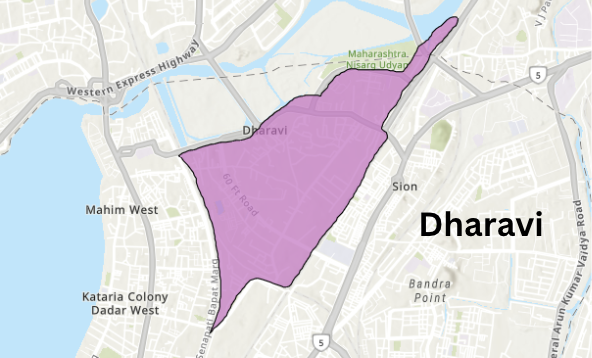
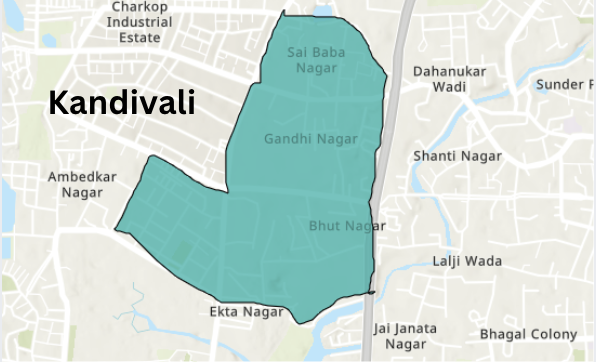
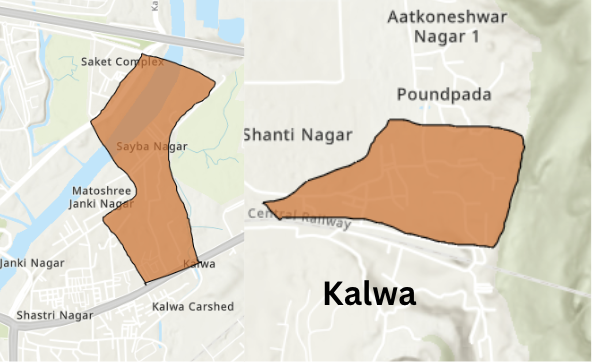
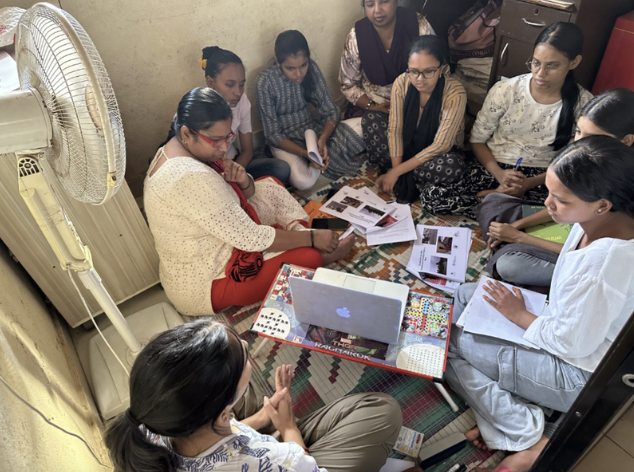
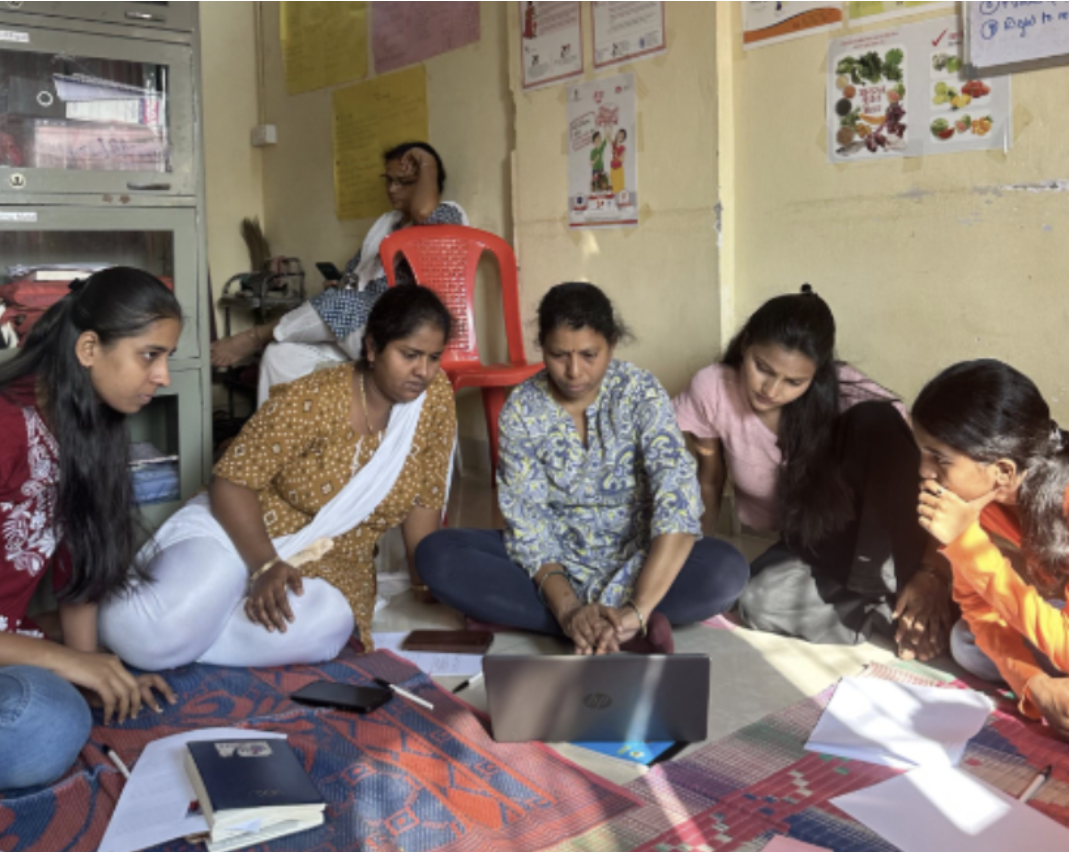
We began with a 2-day training workshop in 3 slums—Dharavi, Kandivali, Kalwa. Click on each activity to learn more.
day 1: icebreaker
The workshops kicked off with an icebreaker activity, a favorite among the filmmakers. Each participant wrote down a unique characteristic about themselves on a piece of paper and placed it into a fishbowl. We then went around the circle, randomly selecting a chit and guessing which trait belonged to each person, which fostered a lively atmosphere and and built camaraderie among the group.
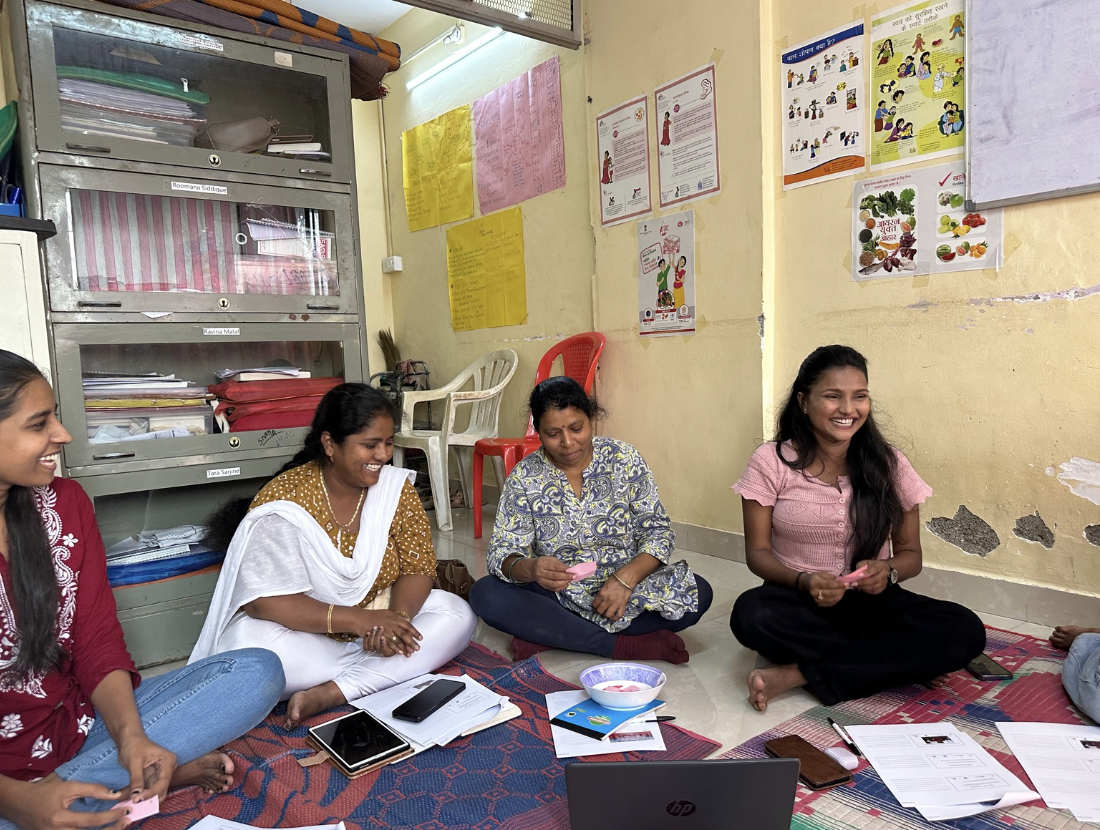
Priya guessing who described themself as naughty!
day 1: ground rules
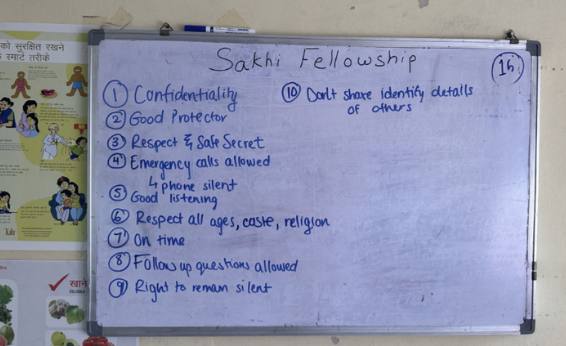
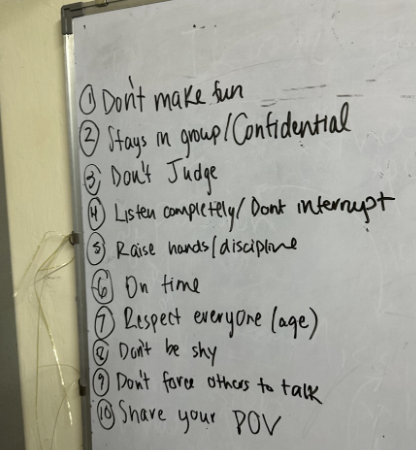
Next, we established crucial ground rules to guide our group dynamics over the upcoming months. These rules were proposed and collectively agreed upon by the filmmakers themselves.
day 1: affinity clustering
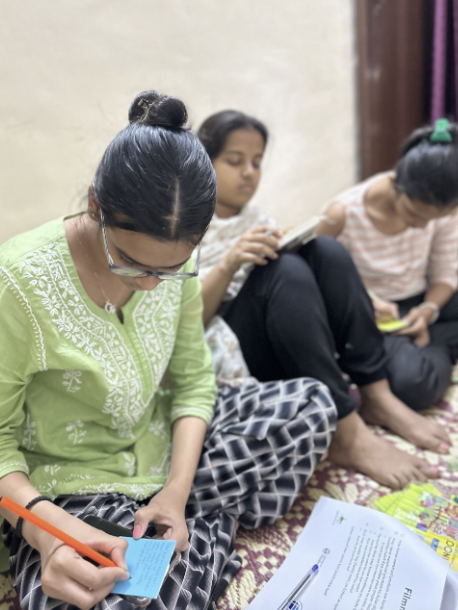
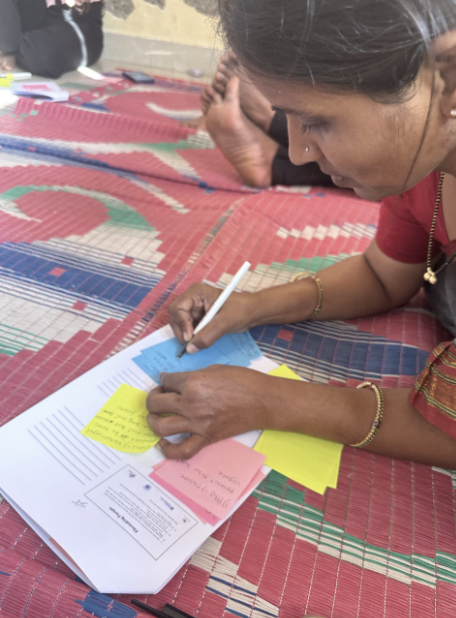
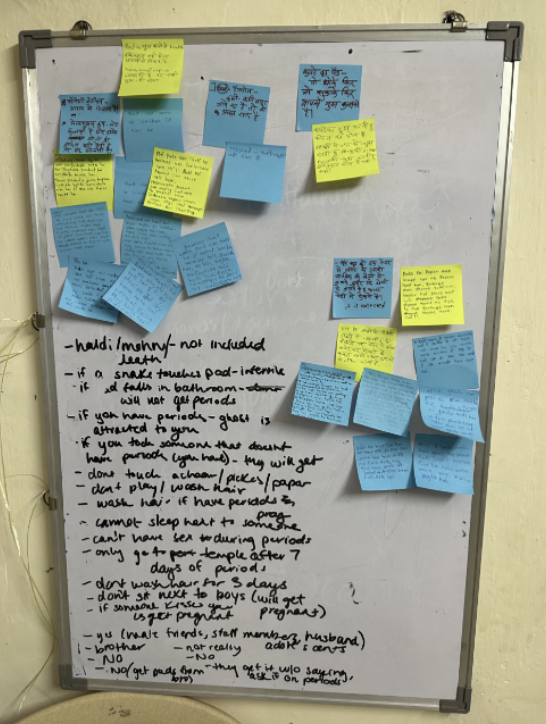
Afterwards, I introduced myself and the research questions to the group. Each participant was tasked with brainstorming and jotting down their responses to the prompts on sticky notes.
Together, we organized these notes into thematic clusters, laying the groundwork for in-depth discussions.
Affinity clustering offers a valuable preview of the themes and topics that would later be explored and discussed in the film.
day 1: take home activitiy
Lastly, on Day 1, the filmmakers were tasked with completing a take home activity, which asked them to revisit their responses to the research question, mirroring the approach of the affinity cluster exercise. This step was taken to ensure that each filmmaker had a thorough understanding of and response to every question.
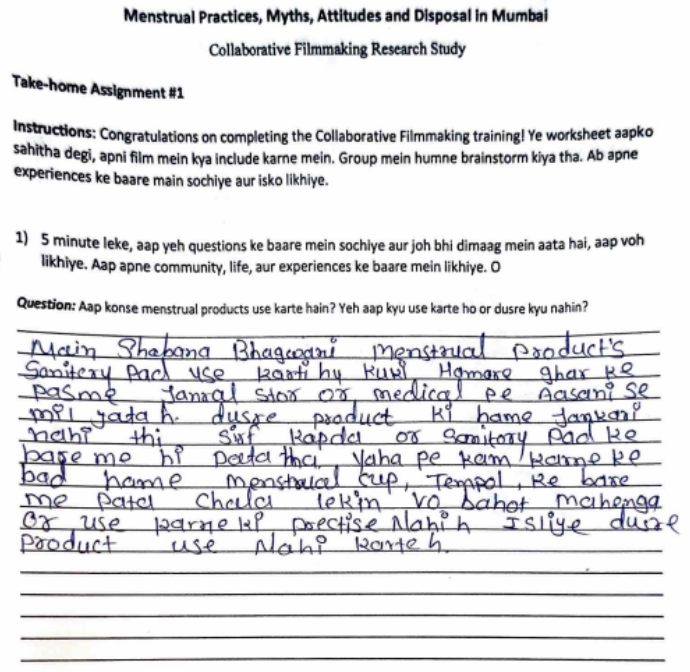
Suhana’s response to Question 1 of the take home assignment (Roman Hindi)
day 2: storyboarding
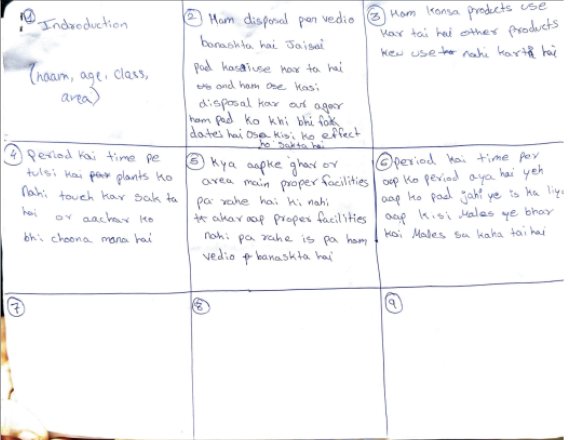
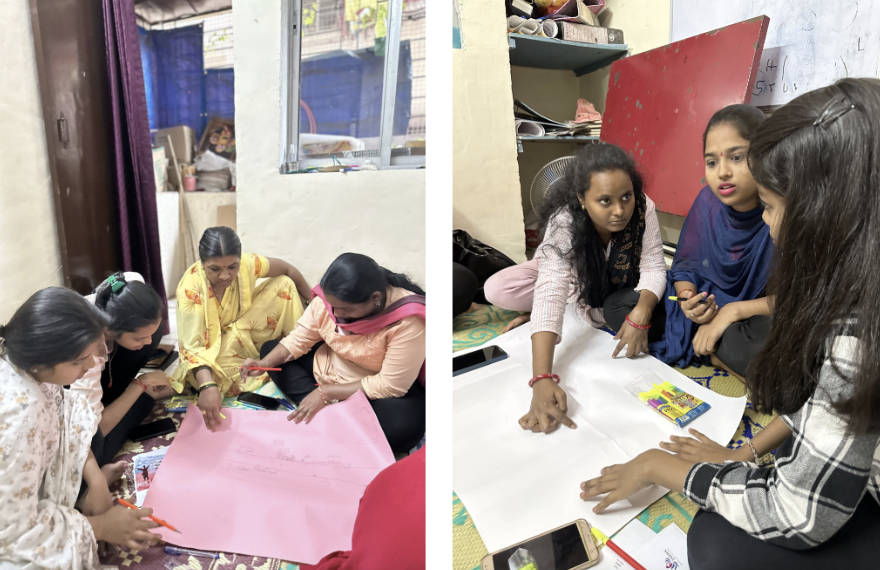
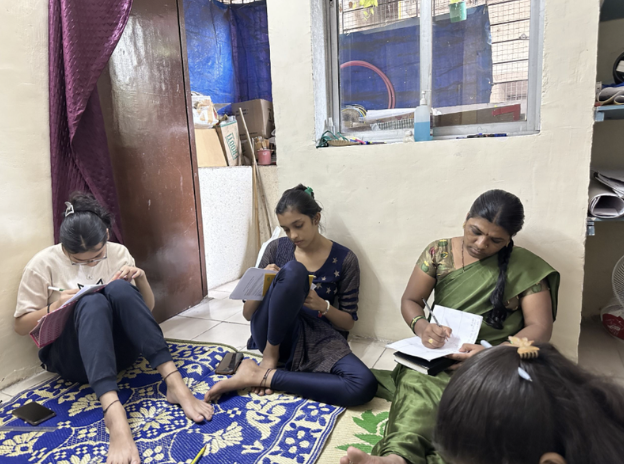
The following day, the researcher individually reviewed each filmmaker’s take home activity to address any remaining uncertainties. Next, we proceeded with a storyboard activity, during which each filmmaker illustrated the story or outline of their film within a sequence of nine panels.
day 2: practice with the GoPro
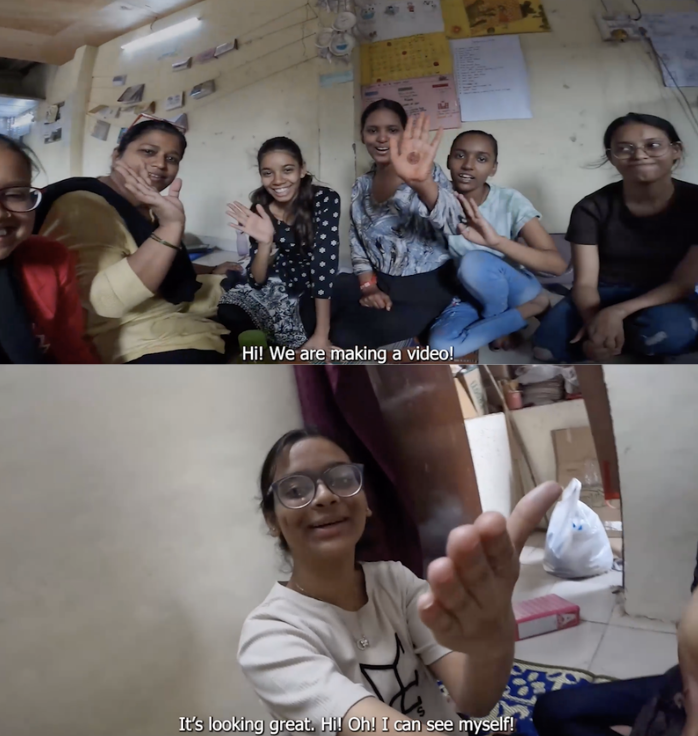
After much anticipation and participant excitement, I taught the participants about all things GoPro-related: attaching the hand grip, operating the power on/off switch, recording footage, and reviewing previously recorded content on the GoPro. This proved to be the highlight of the workshops for most participants, who eagerly took turns with the camera and familiarized themselves with speaking to it.
day 2: the filming schedule
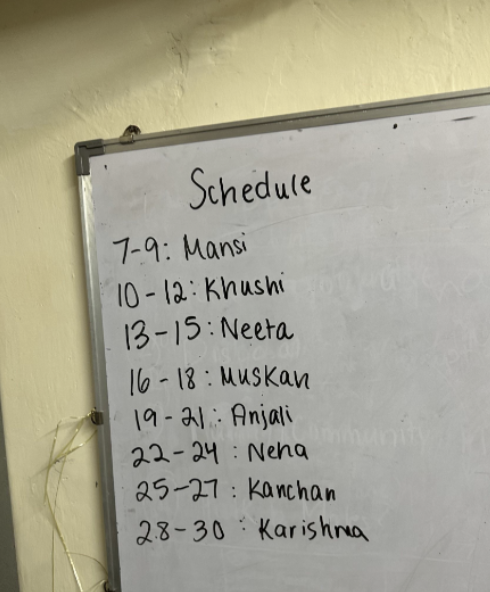
At the end, they collaboratively developed a filmmaking schedule, determining the days on which each of them would have access to the GoPro camera to capture footage. Finally, the filmmakers had all the tools necessary to bring their stories to life!
the research questions
1. what menstrual products do women and girls living in Mumbai’s slums use?
2. how do menstruators dispose of their menstrual products? what role do community toilets play in this process?
3. what menstral beliefs and traditions do women and girls follow?
4. what kind of menstrual dialogue do women and girls have with the men around them?
two months later…
Participants diligently captured their footage, after which we collected the GoPros. With the help of an editor, we first crafted the individual 2-3 minute short films, followed by a longer film that encapsulates all voices—what you are viewing today! However, it’s important to note that three filmmakers either lost interest or were uncomfortable with including their footage in the final film during this period.
group screening
Subsequently, we conducted group screenings to provide participants with the opportunity to view the final product and decide whether they felt comfortable showcasing it publicly. Following each screening, we engaged in discussions to explore common themes and disparities among the filmmakers’ experiences. These sessions provided an opportunity for participants to pose questions to one another and fostered a deeper understanding of their diverse perspectives. These sessions were audio recorded and thematically analyzed.
the final film
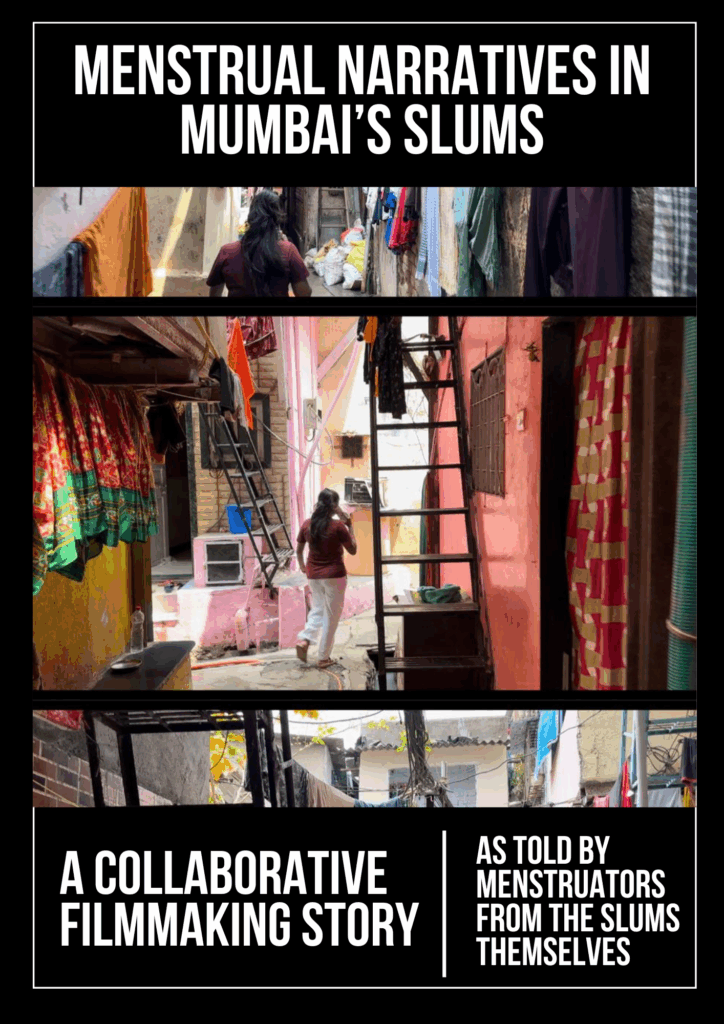
the film poster (left) and final collective film (right) that incorporated the individual short films.
the Mumbai exhibit
In June 2024, researcher Annika Agarwal partnered with fellow Fulbrighter and friend Meher Kaur to develop a public-facing, multimedia exhibit showcasing findings from their Fulbright year in Mumbai, marking the first public screening for the film. Annika used collaborative filmmaking (CF), as described above, to explore menstrual waste disposal practices and beliefs, while Meher conducted in-depth interviews with women living in informal settlements to document their experiences with sex, womanhood, and menstruation. Recognizing the overlap in both their research themes and creative approaches, they collaborated to translate their work into an accessible public exhibit. The installation featured interview excerpts printed onto saris and color-coded to reflect thematic analysis, poetic reflections derived from participants’ narratives, maps of the slums illustrating regional variations in practices, a “Meet the Filmmakers” board, and a screening of the final film. The exhibit drew more than 50 attendees and sparked meaningful conversations among Mumbaikars about class, gender, and sexuality in the communities around them.
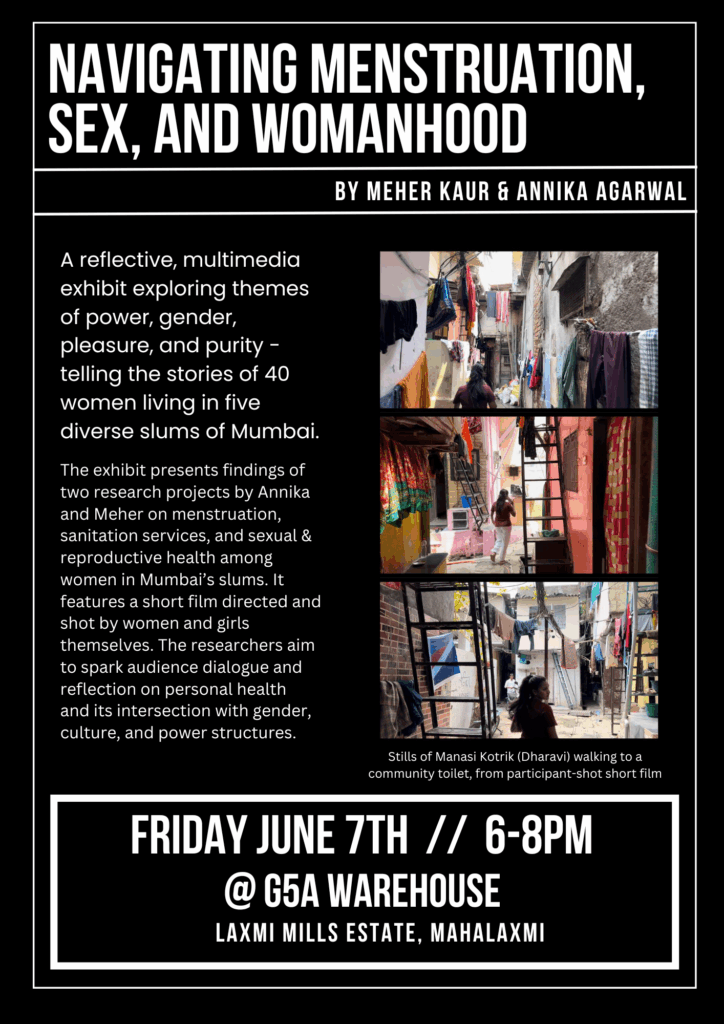
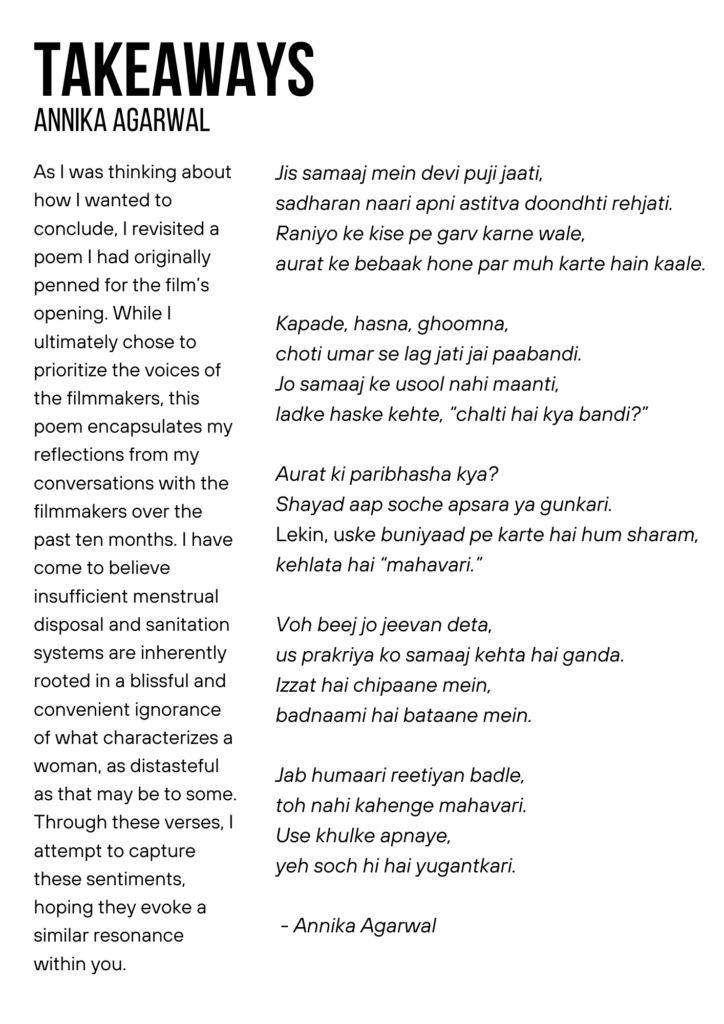
exhibit flyer (left), video recap of the exhibit (middle), and a reflective poem concluding the exhibit (right)
film festival success
This project represents the first collaborative filmmaking (CF) film to be submitted to film festivals. The film has since been accepted to several festivals, demonstrating the potential for CF to extend beyond research settings and function as a cross-sector advocacy tool.

results
menstrual myths
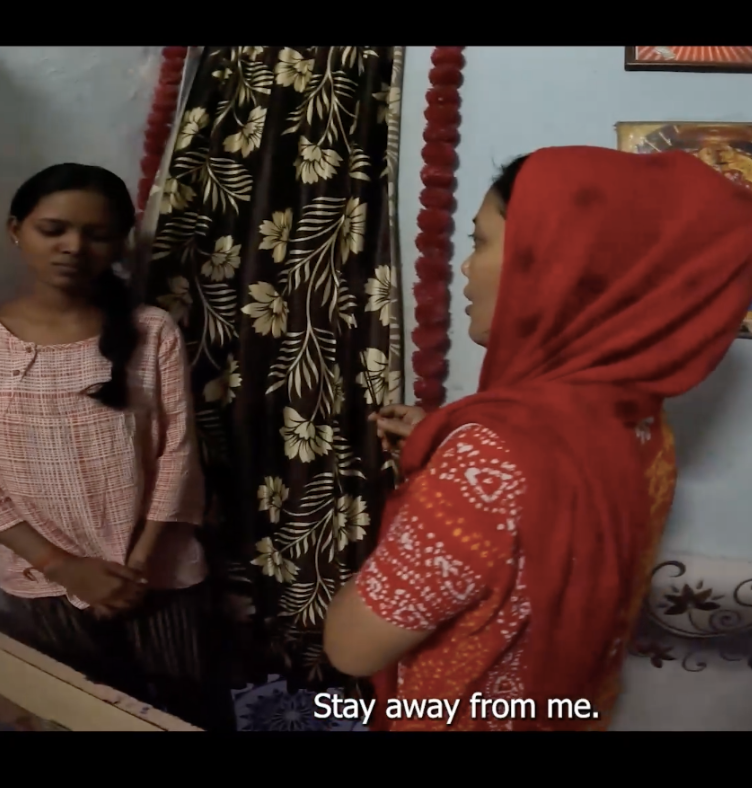
Often the MHM information that is passed from mother to child is around what one cannot do. Do not go into the temple, don’t touch aachaar, ghee, or papad, don’t water the plants, don’t go near the temple, don’t touch men or elders as they will get “polluted,” don’t, don’t, don’t… the list goes on. In this still, we see Shivangi being scolded by her mother to move away from the temple and to not come in her vision during her period. When I later interviewed Shivangi, she explained that this admonishment made her question her self-worth as a woman. “Is it such a crime to walk past the creator who gave me this bodily function to begin with?” she asked.
These ideologies were found among both Hindu and Muslim women participating in the study. Muslim participants described not being able to read the Quran or visit the mosque during their period. Given that many of the participants were migrants from states like UP and Bihar, they described more rigid practices observed in their villages, such as sleeping outside the home for the first three days of menstruation and avoiding temple visits and water wells.
Conversely, Sharda, hailing from Karnataka, shares her community's tradition where a girl is celebrated upon reaching menarche, symbolized by dressing as a bride and receiving visits from relatives and family friends. While the intention behind this tradition is positive, Sharda recalls feeling embarrassed and objectified, likening herself to an exhibit in a zoo. She later explained to me that this practice likely originated from announce a girl’s eligibility for marriage to the community and potentially attract suitors.
Some filmmakers rationalize these traditions as rooted in care for menstruators, providing them with much-needed rest during menstruation when physical activity was expected. Additionally, the stigma surrounding menstruation as unclean may stem from historical practices of using cloth, which posed sanitary risks. Despite these traditions, filmmakers exercise agency by selectively adhering to or rejecting certain myths. While many touch foods like aachaar, ghee, and papad, they avoid temple visits out of fear of repercussions.
product disposal and community toilets
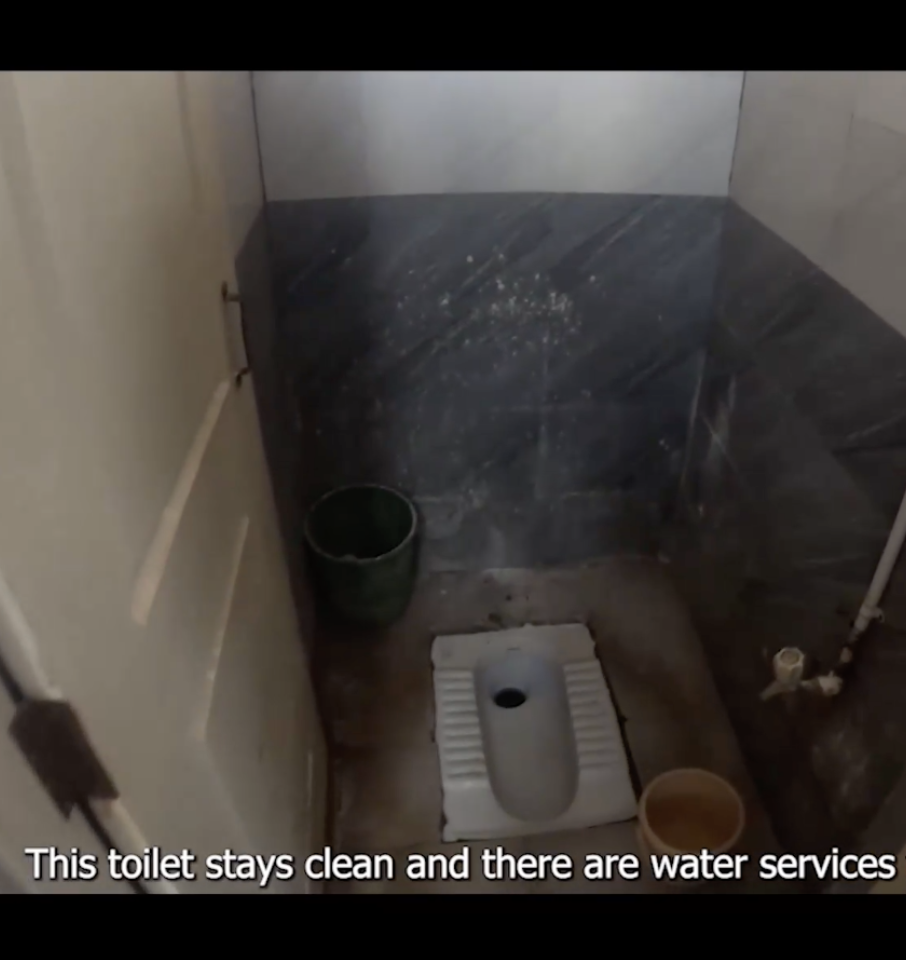
Predominantly, participants relied on community toilets, which varied in proximity from closest in Dharavi to farthest in Kalwa. The use of these facilities was universally disliked due to their unkempt conditions, lack of lighting and water facilities, and rampant pad disposal issues. Many filmmakers showcased the lengths they went to find cleaner bathrooms, sometimes walking up to 15-20 minutes, navigating between the urgency to use the facilities and the cleanliness they offered. In th scene, Muskaan T. highlights a preferred cleaner toilet where she disposes of her pads, noting its daytime use due to safety concerns walking such distances at night. However, she, like many others, experiences discomfort and holds back urges to use the facilities at night due to the presence of men lingering around women's bathrooms. Shivangi shares a similar harrowing experience when a male intruded into the women's bathroom at night, leaving her silently waiting until he left.
Pad disposal practices commonly involve finding a secluded corner in the bathroom or tossing pads out of windows into garbage heaps outside, as most bathrooms lack proper disposal systems. Even those with toilets at home opt for community toilets due to restrictions on pad disposal within their households. Most filmmakers wrap their pads in black plastic bags and discard them in garbage dumps.
Despite these challenges, a few toilets have implemented disposal systems. Some have bins placed in common areas, although they are often underutilized due to feelings of shame associated with pad disposal in public. Pooja, a former BMC worker, mentions a sanitation vending machine installed by BMC in Kandivali, offering pads for a nominal fee and featuring an incinerator for disposal. Despite BMC's efforts, the machine sees limited use as women are uncomfortable being seen with pads in public. As a response to these challenges, one filmmaker, Anjali, documents an ideal disposal scenario. She films herself walking to a designated garbage bin labeled "Throw pads here," conveniently positioned next to the general garbage bin for ease of access.
menstrual product use
It is no surprise that the vast majority of participants use pads, owing to widespread hygiene interventions available to them. This emphases on hygiene, while very effective in increasing product uptake, has only reiterated the idea that the period is dirty and shameful. These concepts manifest during the interviews I conducted with the filmmakers post film production. They could each explicitly tell me their in-depth hygiene practices, some of which even included washing pads washing pads after usage because “no one should see menstrual blood.” However, when asked about why periods occur or some basic female reproductive anatomy, most had no answer or an oft-incorrect one, if that. I believe this finding reveals the greater need for more in-depth MHM interventions that are not solely focused on pad distribution or teaching hygiene practices. In reality, this reiterates the notion that one’s period is dirty and needs to be managed. Perhaps, we are forgetting one simple fact: periods are foundational to life.
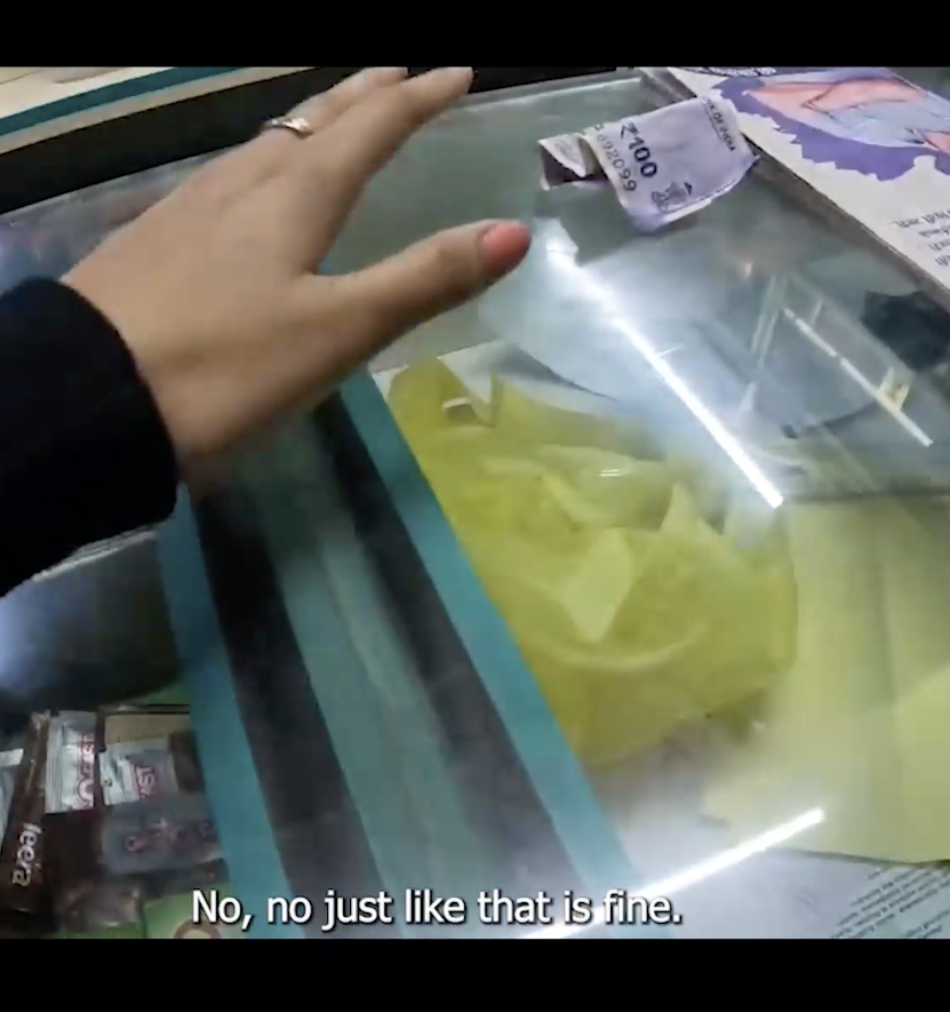
Notably, product choice emerged as a form of resistance within a patriarchal framework. In this still from the film, Mansi Verma goes to the chemist in Kalwa, asking for pads. He asks to wrap it or place it in a bag, to which she denies. He asks again, but she remains firm in her stance. The next scene depicts Mansi walking back to her house with Whisper pads out in the open. When I asked Mansi about this further in our one-on-one interview, Mansi affirmed that while she does get stares, she hopes that it’ll change at least some minds. Additionally, out of the 25 filmmakers, 1 used a menstrual cup and 1 used a tampon. While the others’ expressed curiosity in these products, they felt scared and ashamed in using these at home. Some discussed these with their mothers, but were met with disdain, as these products involve vaginal insertion, making their daughter, a virgin, “impure.” Hence, when I interview the woman who uses a menstrual cup, she explained that her choice in product makes her feel like “aaj ki aurat,” someone who is unshackled from the bondages of purity and morality that govern a women’s sphere.
dialogue with men
Conversations about menstruation with men varied depending on whether they occurred within the family or in external settings. Most filmmakers expressed reluctance to discuss periods with male family members, except for their husbands, opting instead to broach these topics with male friends.
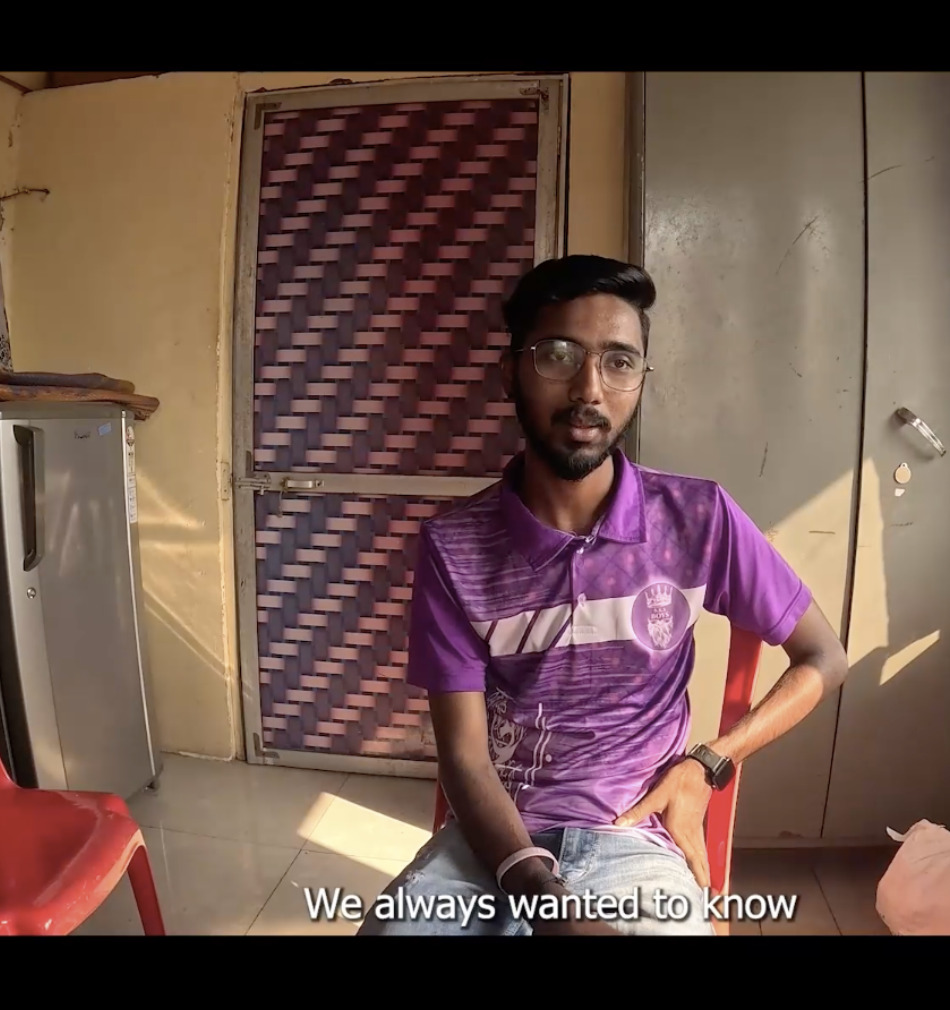
Despite this hesitancy, several filmmakers felt empowered to interview men about their knowledge and attitudes towards menstruation. In this still, Dhanashree interviewed Aditya, who candidly shares his curiosity about what girls discussed separately in school. Aditya’s journey of seeking information online and volunteering with SNEHA to distribute pads during the COVID-19 pandemic exemplifies his commitment to challenging societal norms and fostering positive change, despite facing criticism from the community.
While Aditya represents a positive example, other men held contrasting views. Some claimed to possess extensive knowledge about menstruation but struggled to provide accurate answers upon further questioning, while others expressed disinterest in learning about periods altogether.
Nevertheless, it is commendable that many of my filmmakers felt comfortable engaging with men in their circles to begin with. This shift reflects changing societal attitudes, and this film serves as a testament to that evolution.
location matters
We often view slums as uniform and interchangeable, when the reality is each slum harbors unique challenges and social dynamics, underscoring the importance of acknowledging the nuanced differences between each slum. Notably, in areas with limited funding such as Kalwa, filmmakers showed heightened interest in participating, which I presume was driven by a sense of deprivation from such opportunities. Furthermore, variations in access to sanitary services, waste disposal facilities, and progressive attitudes (typically associated with urban settings) shape how menstruation is viewed and experienced. Kalwa and Kandivali, for instance, exhibited more conservative attitudes, instigating menstruators to raise uncomfortable questions within their networks and explore alternative products like menstrual cups.
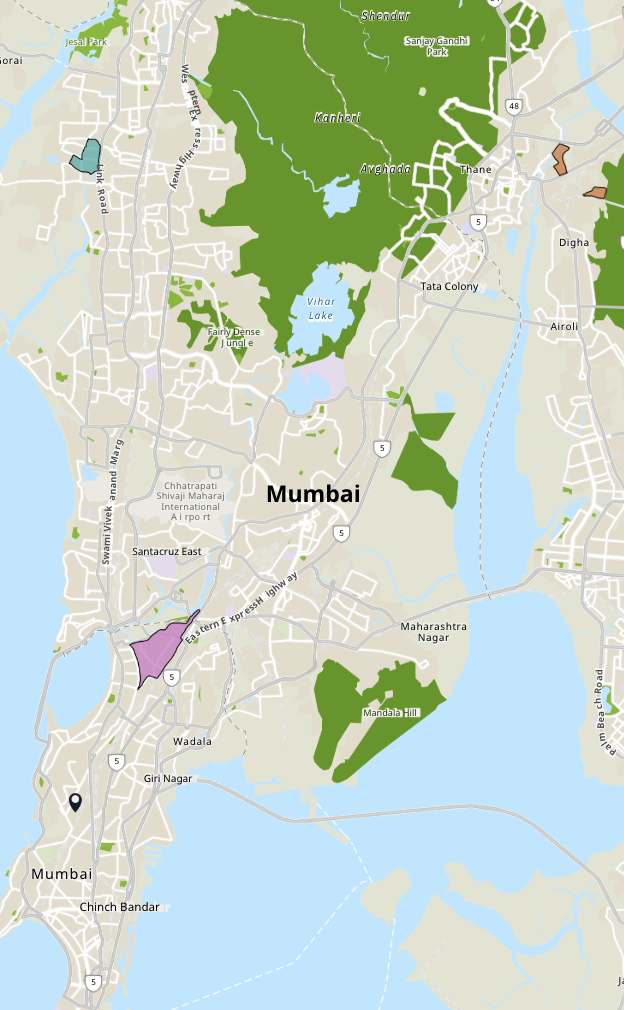
dharavi
- Prime access to information, technology, and urban events due to its central location
- MHM interventions receive substantial funding
- Most streamlined waste disposal system
- Nearest toilet within 2-3 minute walking distance
- Men hold the most positive menstrual attitudes and strongest menstrual knowledge compared to other slums
kandivali
- Decreased access to the city center
- Slum with less recognition, so receives less funding
- Less streamlined waste disposal system
- Nearest toilet within 3-5 minutes walking distance
- Men hold mixed menstrual attitudes and low levels of menstrual knowledge
kalwa
- Situated in the foothills of a mountain, making it isolated from the city.
- Significant gaps in MHM funding
- Waste disposal practices are rudimentary, with waste often discarded into streams/lakes, locally referred to as “kaala pani”
- Nearest toilet facility is a 5-10 minute walk away
- During interviews, men expressed discomfort discussing menstruation, exhibiting the least knowledge and most negative attitudes